Home inspection in St. Paul, MN
A home inspection in St. Paul, MN is a full visual inspection of a home's accessible systems — roof, structure, electrical, plumbing, HVAC and more — performed to the InterNACHI Standards of Practice with a digital photo report. In St. Paul, inspections give special attention to the area's housing eras and Minnesota climate issues such as ice dams, attic condensation, aging wiring and old sewer laterals.
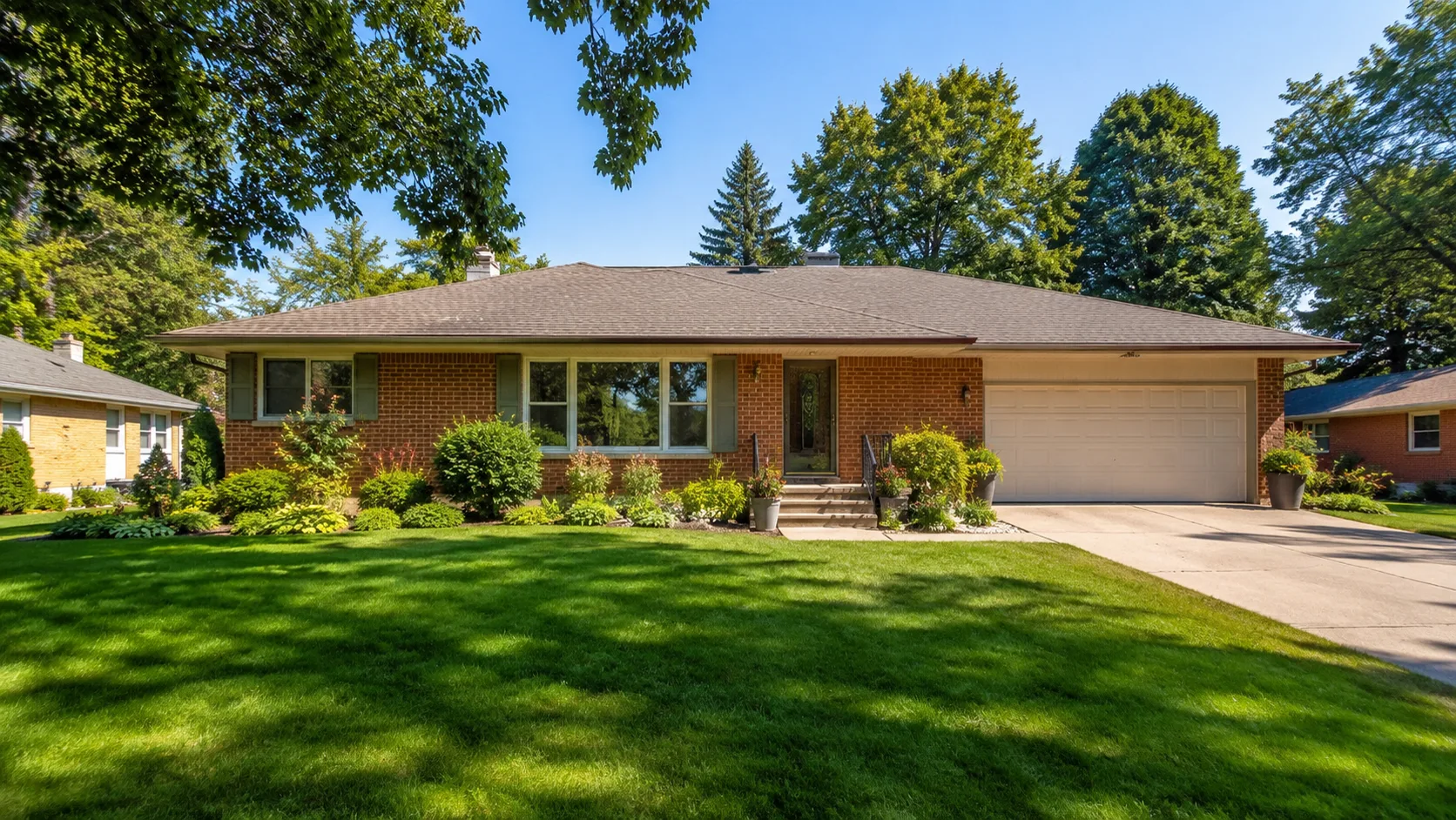
Inspecting St. Paul homes
St. Paul is one of the most architecturally layered cities in the Upper Midwest. From the grand Victorian and Queen Anne mansions of Summit Avenue — one of the longest stretches of preserved residential Victorian architecture in the country — to the Craftsman bungalows of Mac-Groveland and Highland Park, the brick four-squares of the East Side, and the mid-century ramblers scattered throughout, the city's housing stock spans well over a century.
A large share of St. Paul homes were built before 1950, with many dating to the 1880s–1920s. That age is the city's charm and its inspection challenge: original systems, period materials, and a century of additions and renovations of varying quality. Newer infill and condo conversions add a different set of concerns. Reading a St. Paul home well means reading it in the context of its era.
Neighborhoods we regularly inspect in and around St. Paul include Summit Hill, Mac-Groveland, Highland Park, the East Side, Como, Frogtown, Payne-Phalen and Dayton's Bluff. As the city we are based in, St. Paul is our shortest drive and the area we know best, block by block.
Common issues in St. Paul homes
Across St. Paul and the surrounding Ramsey County communities, the same Minnesota realities turn up in inspection after inspection. Tuned to St. Paul's housing stock, the issues we document most often include:
- Knob-and-tube and cloth-insulated wiring: common in homes built before about 1950, this original wiring is a safety and insurability concern.
- Galvanized supply lines: original galvanized water pipe corrodes from the inside, restricting flow and eventually leaking.
- Clay-tile, cast-iron and Orangeburg sewer laterals: aging pipe and mature boulevard trees make root intrusion and pipe failure frequent — a sewer scope is well worth it here.
- Stone and block foundation movement: the region's clay soils and deep frost line work on older masonry foundations, causing cracking, bowing and seepage.
- Lead paint and period materials: homes from the lead-era warrant caution, and asbestos floor tile can appear in mid-century additions.
- Ice dams and attic condensation: minimal original insulation and air bypasses drive winter moisture and ceiling stains.
Services for St. Paul homes
A standard home inspection covers the home top to bottom. For St. Paul's housing, we frequently add a sewer scope for the buried lateral, radon testing (Minnesota is a high-radon state), and mold inspection where moisture is a concern. Thermal imaging is especially useful in our climate for finding insulation gaps and air leaks that drive ice dams. Buyers often start with a full buyer's inspection in St. Paul.
Why a local inspector matters in St. Paul
Understanding St. Paul's housing eras — and how Minnesota's frost depth, clay soils and freeze-thaw cycles act on those homes — is the difference between a checklist and real guidance. Selling instead of buying? A pre-listing inspection helps you get ahead of issues before you list.
Nearby communities we serve
Frequently asked questions
What does a home inspection cover in St. Paul?
The full home — roof, structure, exterior, electrical, plumbing, HVAC, insulation and interior — performed to InterNACHI Standards of Practice with a digital photo report, with attention to St. Paul's common issues.
What problems are common in St. Paul homes?
Issues tied to the area's housing stock and Minnesota's climate: ice dams, attic condensation, aging or recalled electrical, foundation freeze-thaw movement, basement moisture, and aging sewer laterals or wells where applicable.
Should I get a sewer scope in St. Paul?
For older homes with mature trees nearby, yes. Root intrusion and aging pipe materials make sewer problems common across the St. Paul area.
How much does a St. Paul home inspection cost?
Cost depends on the home's size, age and the services you add. Use the instant quote tool below for a price specific to your property.
Price your inspection in minutes
Get an instant quote and book your St. Paul home inspection online — no phone tag, no waiting.