Mold Inspection in St. Paul, MN
A visual mold and moisture assessment focused on the basements, attics and bathrooms where St. Paul homes hold water.
A mold inspection is a visual assessment of a home for signs of mold growth and, more importantly, the moisture sources that allow mold to grow. It includes inspecting common problem areas — basements, attics, bathrooms and around windows — for staining, musty odors, elevated moisture and visible growth. Because mold is a symptom of a water problem, the goal is to identify the underlying moisture source.
Why mold shows up in St. Paul homes
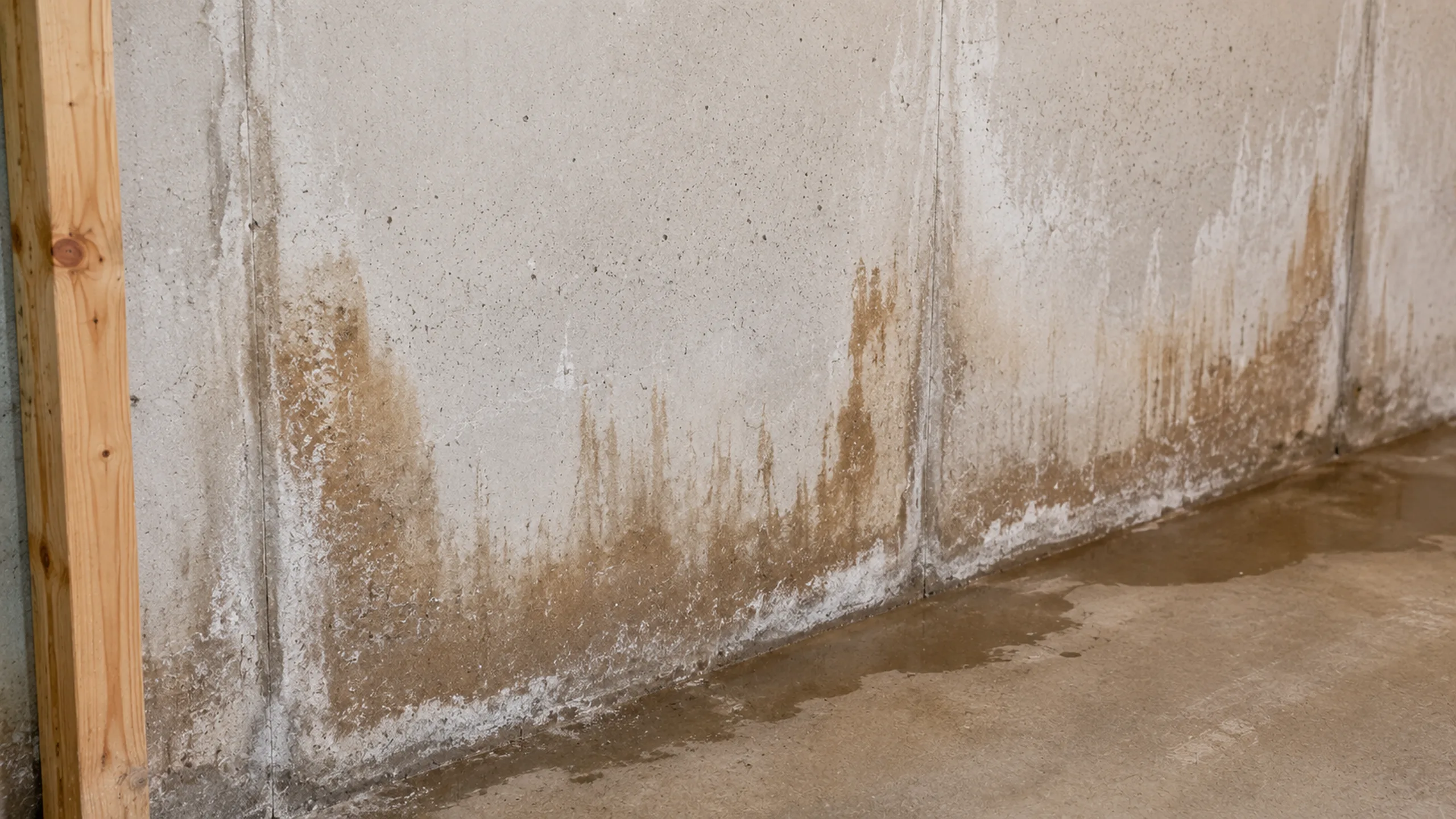
Mold is never the root problem — it is the symptom of unwanted moisture. In St. Paul, that moisture comes from a handful of predictable places: attic condensation driven by air bypasses and weak ventilation in winter; basement wall seepage through block and stone foundations during spring melt and heavy rain; bathroom humidity with no working exhaust fan; and ice dams that push meltwater back under shingles and into wall cavities. Our inspection focuses on finding the source, because painting over staining or wiping down growth without fixing the water just resets the clock.
What the inspection covers
- Basements and crawl spaces: efflorescence, staining, and elevated moisture on foundation walls and the sill plate.
- Attics: frost, dark staining on roof sheathing, and matted insulation that points to condensation or roof leaks.
- Bathrooms and laundry: exhaust fans that vent into the attic instead of outside, around tubs, and behind toilets.
- Windows and exterior walls: condensation lines, peeling paint and stained sills.
How we document findings
Visible growth, water staining and moisture readings are photographed and described in the report, along with the most likely source and recommended next steps. Where staining suggests a hidden or active leak, we recommend further evaluation. Sewer backups and foundation seepage are common culprits in older neighborhoods, so a mold inspection often pairs with a sewer scope or a full home inspection.
Local relevance
St. Paul's freeze-thaw climate and older, more permeable basements make moisture intrusion a year-round concern. Efflorescence — the chalky white mineral deposit on basement walls — is one of the most common signs we document and a reliable indicator that water is moving through the masonry.
Frequently asked questions
Do you take air samples?
Our standard service is a visual mold and moisture assessment focused on identifying the water source. If laboratory sampling is needed, we will explain the options and refer accordingly.
Why do you focus on the moisture source?
Because mold cannot grow without moisture. Remediating mold without fixing the leak, condensation or grading problem behind it almost always leads to regrowth.
Where is mold most common in St. Paul homes?
Older basements with block or stone foundations, attics with poor ventilation, and bathrooms with fans that vent into the attic instead of outdoors.
Can a mold problem affect my inspection results?
A mold inspection documents what is visible and the likely source. Major moisture findings often warrant pairing it with a sewer scope or full home inspection.
Price your inspection in minutes
Get an instant quote and book your St. Paul home inspection online — no phone tag, no waiting.