Radon Testing in St. Paul, MN
Continuous radon monitoring during your inspection — Minnesota is a high-radon state, and St. Paul homes test high more often than not.
Radon testing measures the concentration of radon gas inside a home, reported in picocuries per liter (pCi/L). Minnesota is one of the highest-radon states in the country, and the Minnesota Department of Health estimates more than two in five Minnesota homes have radon levels above the EPA action level of 4.0 pCi/L. A short-term continuous radon monitor placed in the lowest livable level provides a measured result, typically over a 48-hour period.
Why radon testing matters in St. Paul
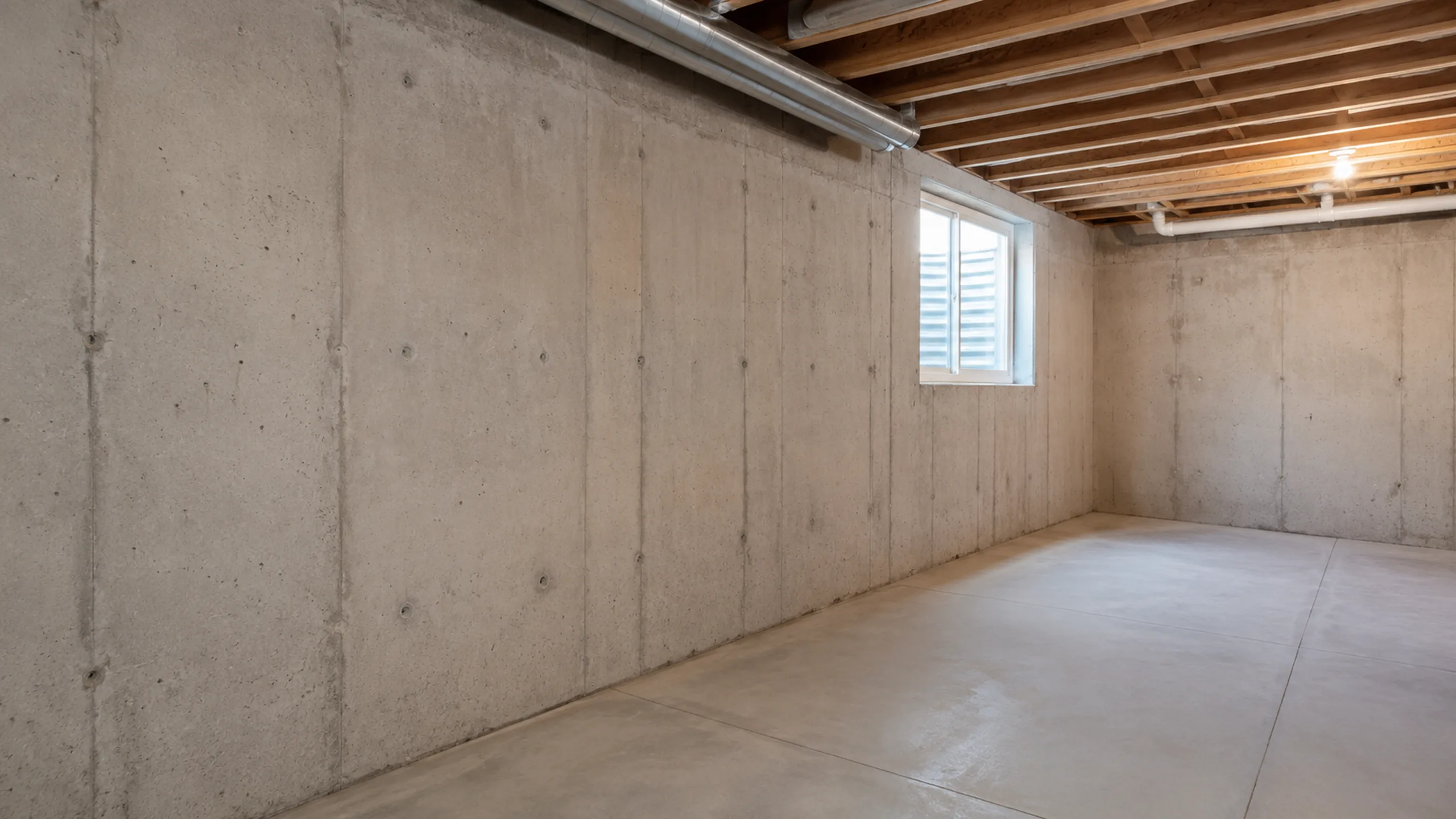
Radon is a naturally occurring, colorless, odorless radioactive gas produced as uranium in soil and rock breaks down. It enters homes through foundation cracks, sump pits, utility penetrations and the porous block of older basements. The EPA identifies long-term radon exposure as the second leading cause of lung cancer. Minnesota's geology makes it a Zone 1 high-radon state, and Ramsey County is no exception — the Minnesota Department of Health reports that a large share of homes tested in the metro come back above the 4.0 pCi/L action level.
How the test works
We place a continuous radon monitor on the lowest level of the home that is or could be used as living space — usually the basement. The device records hourly readings under closed-house conditions for a minimum of 48 hours, then produces an averaged result along with an hour-by-hour graph that helps confirm the test was not tampered with. Because the monitor logs continuously, it gives a more reliable picture than a single charcoal canister.
What the results mean
- Below 4.0 pCi/L: Below the EPA action level. The MDH still notes there is no fully safe level of radon, and mitigation can reduce exposure further.
- 4.0 pCi/L or above: At or above the action level. A radon mitigation system — typically sub-slab depressurization — is recommended.
Many older St. Paul basements with block foundations, floor drains and sump pits test high, which is why radon testing pairs naturally with a full home inspection. If we observe water intrusion or musty odors during testing, a mold inspection may also be worth considering.
Local relevance
Because St. Paul's frost depth drives seasonal soil-gas movement and many homes have older, more permeable foundations, radon results here can be both high and variable. Testing during the real-estate transaction gives buyers a measured number to make decisions on, rather than guessing. Mitigation, where needed, is a well-understood and effective fix.
Frequently asked questions
How long does radon testing take?
A short-term continuous monitor runs for a minimum of 48 hours under closed-house conditions, so it overlaps with the rest of your inspection timeline.
Do I need to do anything during the test?
Keep the home under closed-house conditions — windows and exterior doors closed except for normal entry and exit — for 12 hours before and during the test.
Is radon really that common in St. Paul?
Yes. Minnesota is a high-radon state and the Minnesota Department of Health estimates more than two in five homes statewide test above the EPA action level.
If radon is high, can it be fixed?
Yes. Radon mitigation, usually a sub-slab depressurization system, is a proven and effective way to reduce indoor radon levels.
Price your inspection in minutes
Get an instant quote and book your St. Paul home inspection online — no phone tag, no waiting.