Thermal Imaging in St. Paul, MN
Infrared scanning that reveals hidden moisture, missing insulation and air leaks the eye can't see.
Thermal imaging uses an infrared camera to detect surface temperature differences that reveal hidden conditions — missing or compressed insulation, air leaks, moisture intrusion, and overheating electrical components. It does not see through walls; it detects the thermal signatures those conditions leave on surfaces, making it a powerful supplement to a visual inspection.
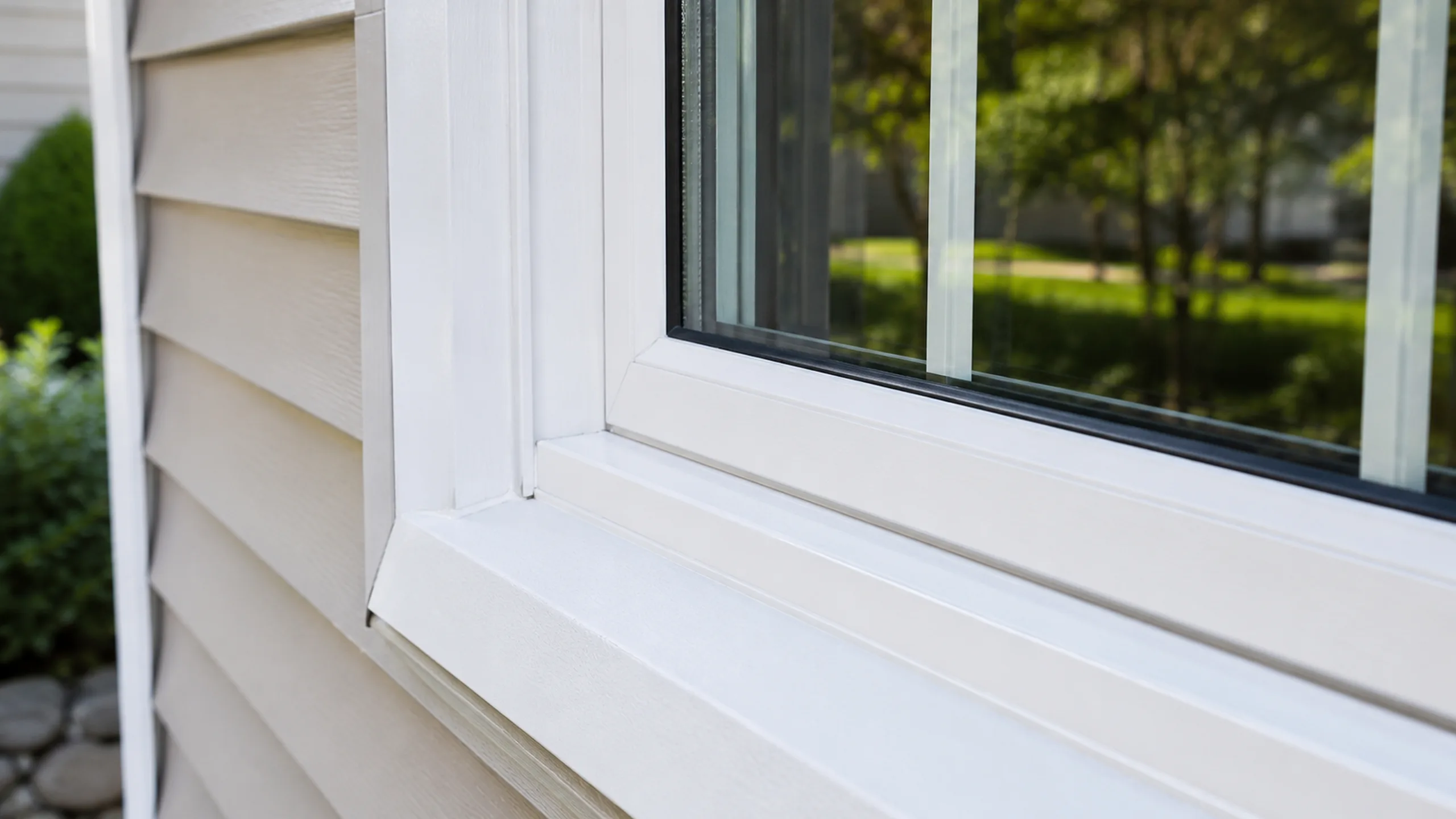
What thermal imaging adds in St. Paul
An infrared camera reads surface temperature, not the inside of a wall — but the temperature patterns it reveals tell a story the naked eye misses. In a St. Paul winter, a cold streak across a ceiling points to missing insulation; a cold halo around a recessed light points to an attic air bypass feeding attic frost; a cool, irregular shape on a basement wall can indicate active moisture. Used during a home inspection, thermal imaging turns invisible problems into documented findings.
What we scan for
- Missing or settled insulation: cold patches in walls and ceilings, common in older homes with retrofit insulation gaps.
- Air bypasses: leaks at top plates, recessed lights and attic hatches that drive heat loss and ice dams.
- Moisture intrusion: evaporative cooling signatures behind walls and under windows.
- Electrical hot spots: overheating breakers or connections at the panel.
- Radiant heat issues: non-functioning sections in in-floor heating.
How it works during the inspection
The camera is most effective when there is a temperature difference between inside and outside — which Minnesota provides for much of the year. We scan key areas during the walkthrough and capture infrared images of anything notable, then correlate them with moisture readings or visual evidence before reporting. Thermal imaging is a screening tool that points to where a closer look is warranted, not a guarantee that every hidden defect will be found.
Local relevance
St. Paul's cold winters make thermal imaging especially valuable here: the same temperature extremes that cause ice dams and attic frost also make insulation gaps and air leaks light up clearly on infrared. Pairing thermal imaging with a mold inspection is a strong combination when moisture is suspected.
Frequently asked questions
Can a thermal camera see through walls?
No. It reads surface temperature only. The patterns it detects reveal what is behind the surface — insulation gaps, air leaks or moisture — but it is not an x-ray.
Why is thermal imaging useful in Minnesota?
The large indoor-outdoor temperature difference for much of the year makes insulation gaps, air bypasses and heat loss show up clearly on infrared.
Does thermal imaging find moisture?
It can detect the evaporative cooling signature of moisture on surfaces, which flags areas for further evaluation with a moisture meter.
Is thermal imaging a guarantee?
No. It is a powerful screening tool that points to areas needing a closer look; it cannot detect every hidden condition.
Price your inspection in minutes
Get an instant quote and book your St. Paul home inspection online — no phone tag, no waiting.