Attic Condensation in St. Paul homes
Attic condensation occurs when warm, moist indoor air leaks into a cold attic and condenses or freezes on the underside of the roof sheathing. In winter it forms frost; when temperatures rise it melts and drips, staining ceilings, soaking insulation and mimicking a roof leak. It is caused by air leakage from the living space combined with inadequate attic ventilation.
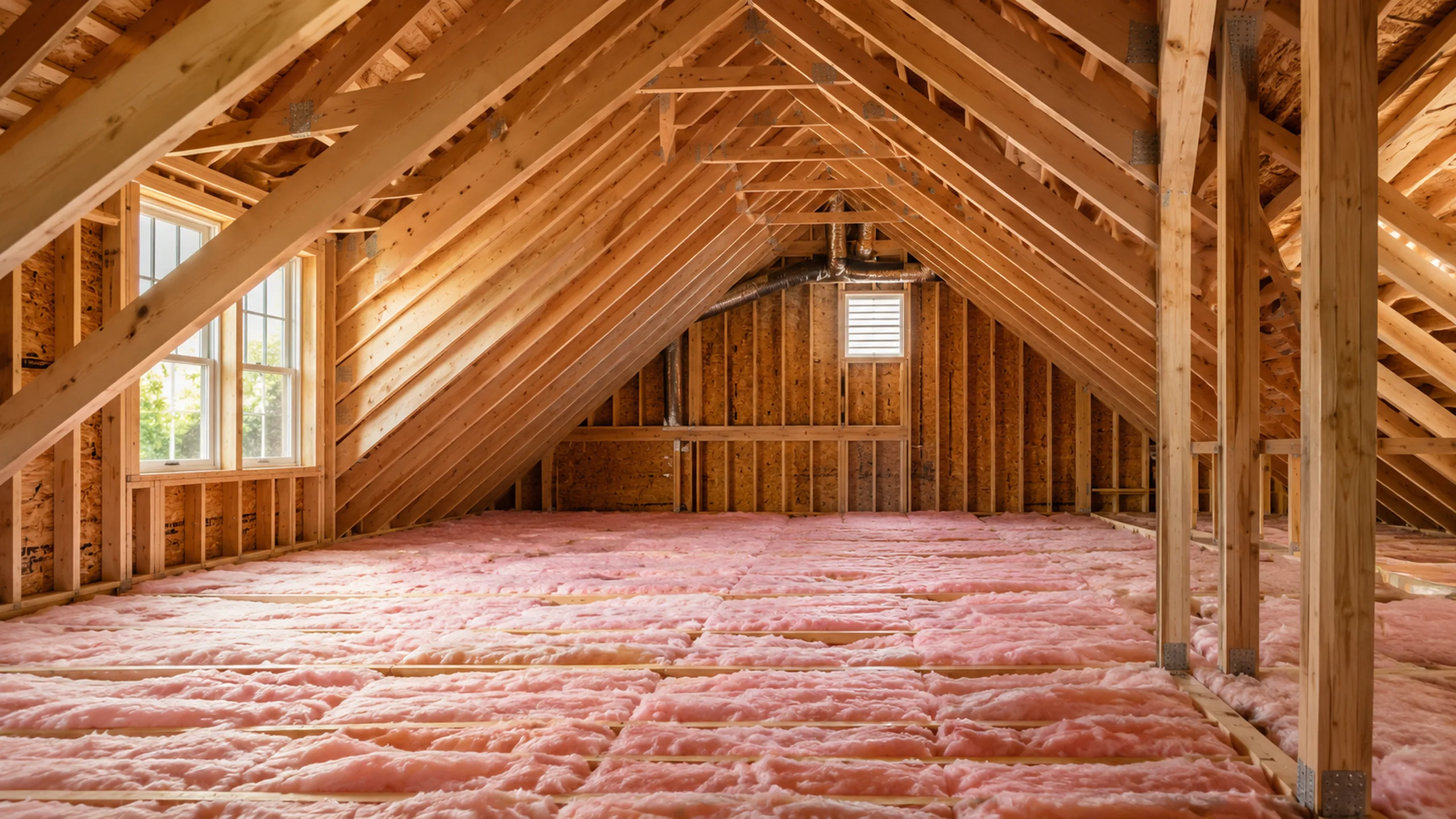
What attic condensation is
In a Minnesota winter, indoor air is warm and humid while the attic is cold. When that warm, moist air leaks upward through gaps around light fixtures, the attic hatch, plumbing stacks, chimneys and top plates, it meets the cold roof sheathing and condenses — or, more often here, freezes into a layer of frost. On the next warm day the frost melts and drips, soaking the insulation, staining the ceiling below, and looking for all the world like a roof leak even when the shingles are fine.
Why it's common in St. Paul
The same older housing stock that produces ice dams produces attic condensation, and for the same reasons: leaky ceilings, minimal or settled insulation, and weak attic ventilation. Bathroom and kitchen exhaust fans that dump moist air into the attic instead of venting outdoors are an especially common and damaging culprit in St. Paul homes.
Warning signs
- Frost or ice on the underside of the roof sheathing in winter.
- Dark staining or water marks on the sheathing and rafters.
- Matted, damp or discolored attic insulation.
- Ceiling stains that appear after cold snaps or thaws, not just after rain.
- Rusting nail tips or fasteners in the attic.
How the inspection catches it
During a home inspection we enter or view the attic where accessible and look for frost, staining, damp insulation, disconnected or attic-terminating exhaust ducts, blocked soffit vents and inadequate ventilation. Thermal imaging reveals the air bypasses feeding the problem, and a mold inspection is warranted where staining suggests sustained moisture.
What to do about it
The fix mirrors the ice dam fix: air-seal the leaks between the living space and the attic, vent all bath and kitchen fans to the exterior, ensure balanced soffit-to-ridge ventilation, and bring insulation up to recommended levels. Reducing indoor humidity helps too. Treating the stain without stopping the air leakage just lets it return.
Related service: Thermal imaging in St. Paul, MN →
Frequently asked questions
Is attic frost the same as a roof leak?
No, though it looks like one. Attic frost comes from indoor air leaking up and freezing on the sheathing; when it melts it drips like a leak even with a sound roof.
Why does my bathroom fan cause attic problems?
If the fan vents into the attic instead of outdoors, it pumps moist air into a cold space where it condenses or freezes, soaking insulation and sheathing.
How is attic condensation fixed?
Air-seal ceiling bypasses, vent all fans outdoors, improve attic ventilation, add insulation and reduce indoor humidity so warm moist air can't reach the cold sheathing.
Can attic condensation cause mold?
Yes. Sustained moisture on sheathing and insulation can support mold growth, so persistent staining warrants a closer moisture evaluation.
Price your inspection in minutes
Get an instant quote and book your St. Paul home inspection online — no phone tag, no waiting.