Lead Paint in St. Paul homes
Lead paint is paint containing lead, used in homes built before 1978 when it was banned for residential use. It is a health hazard — especially to young children and pregnant women — primarily through lead dust and chips from deteriorating or disturbed paint on windows, doors, trim and exterior surfaces. Intact, well-maintained paint poses less immediate risk.
What lead paint is
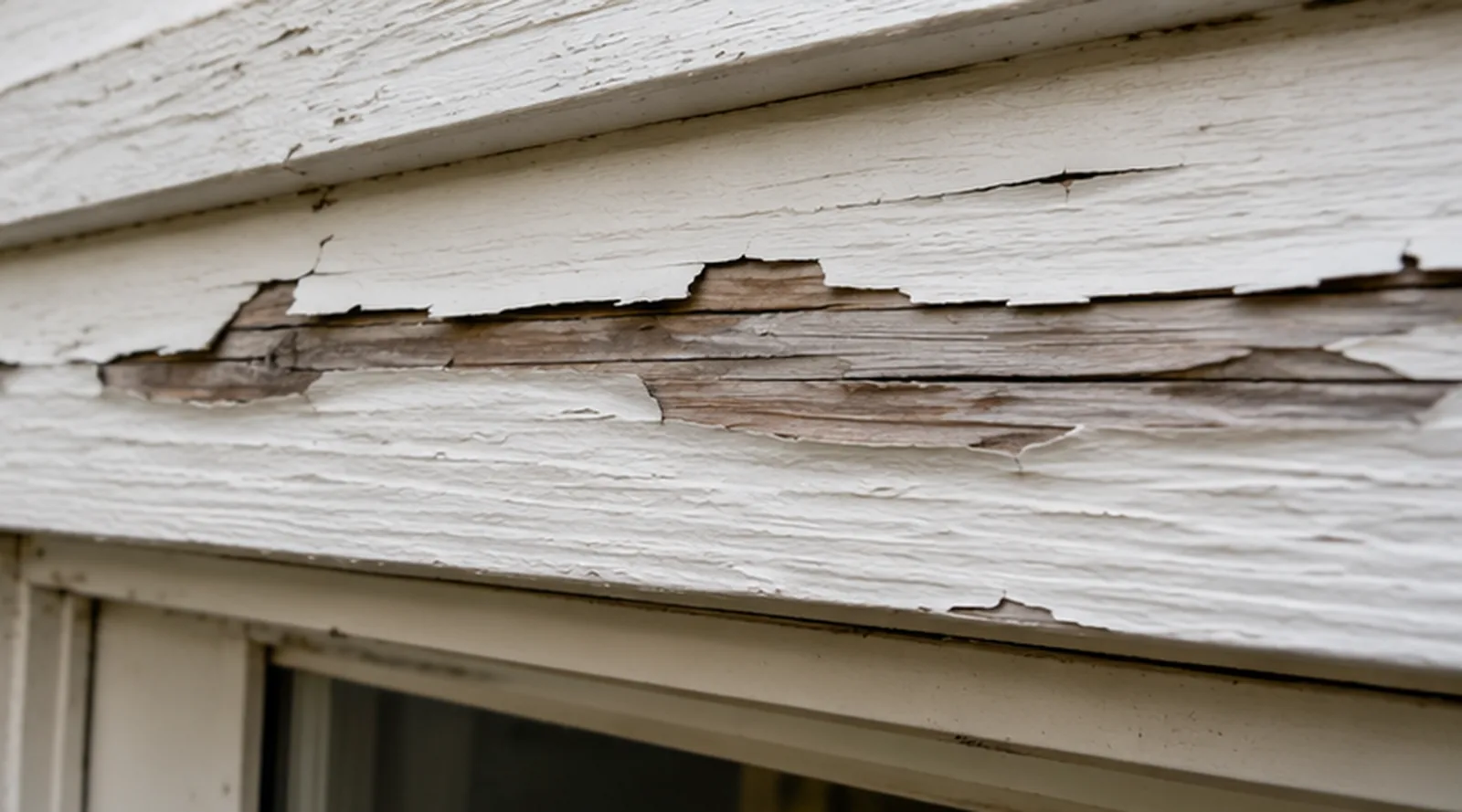
Lead was added to paint for durability and color until it was banned for residential use in 1978. The hazard is not so much intact paint as lead dust and chips created when paint deteriorates or is disturbed — particularly at friction and impact points like window sashes, jambs, doors and stairs, and on weathering exterior surfaces. Lead exposure is most dangerous to young children and pregnant women.
Why it is common in St. Paul
The overwhelming majority of St. Paul's housing predates 1978, so original lead-based paint is present in most of the city's older homes, usually under layers of newer paint. It is the most widespread of the period materials, alongside asbestos floor tile and vermiculite insulation.
Warning signs
- Peeling, chipping, cracking or chalking paint, especially on older windows and exterior trim.
- Worn paint at friction points — window sashes, door edges, stair treads.
- Paint dust or chips on sills and floors.
- A home built before 1978 with original painted surfaces.
How the inspection catches it
A home inspection is visual and does not test for lead, but we document deteriorated paint and surfaces likely to contain it given the home's age, and recommend lead testing — particularly when young children will live in the home or a renovation is planned. Federal disclosure rules require sellers to disclose known lead-based paint in pre-1978 housing.
What to do about it
Maintaining paint in good, intact condition reduces risk. Where paint is deteriorating — or before any renovation that will disturb it — testing and the use of lead-safe practices and certified professionals is the safe path. Do not dry-sand or scrape suspected lead paint yourself.
Related service: Home inspection in St. Paul, MN →
Frequently asked questions
When was lead paint banned?
Lead-based paint was banned for residential use in 1978, so homes built before then are likely to contain it under newer layers.
What makes lead paint hazardous?
The dust and chips created when paint deteriorates or is disturbed, especially at friction points. It is most dangerous to young children and pregnant women.
Does a home inspection test for lead?
No. An inspection documents deteriorated and likely lead-containing surfaces and recommends lead testing, particularly with children or a renovation planned.
How do I deal with lead paint safely?
Keep paint intact and well-maintained, and use lead-safe practices and certified professionals for any work. Never dry-sand or scrape suspected lead paint.
Price your inspection in minutes
Get an instant quote and book your St. Paul home inspection online — no phone tag, no waiting.