Vermiculite Insulation in St. Paul homes
Vermiculite insulation is a loose-fill attic insulation made of puffed mineral, recognizable as small gold-brown to gray accordion-like pellets. Much of it sold under the Zonolite brand came from a mine contaminated with asbestos, so vermiculite is treated as presumed asbestos-containing unless tested. It is a concern when disturbed or where attic air leaks into the home.
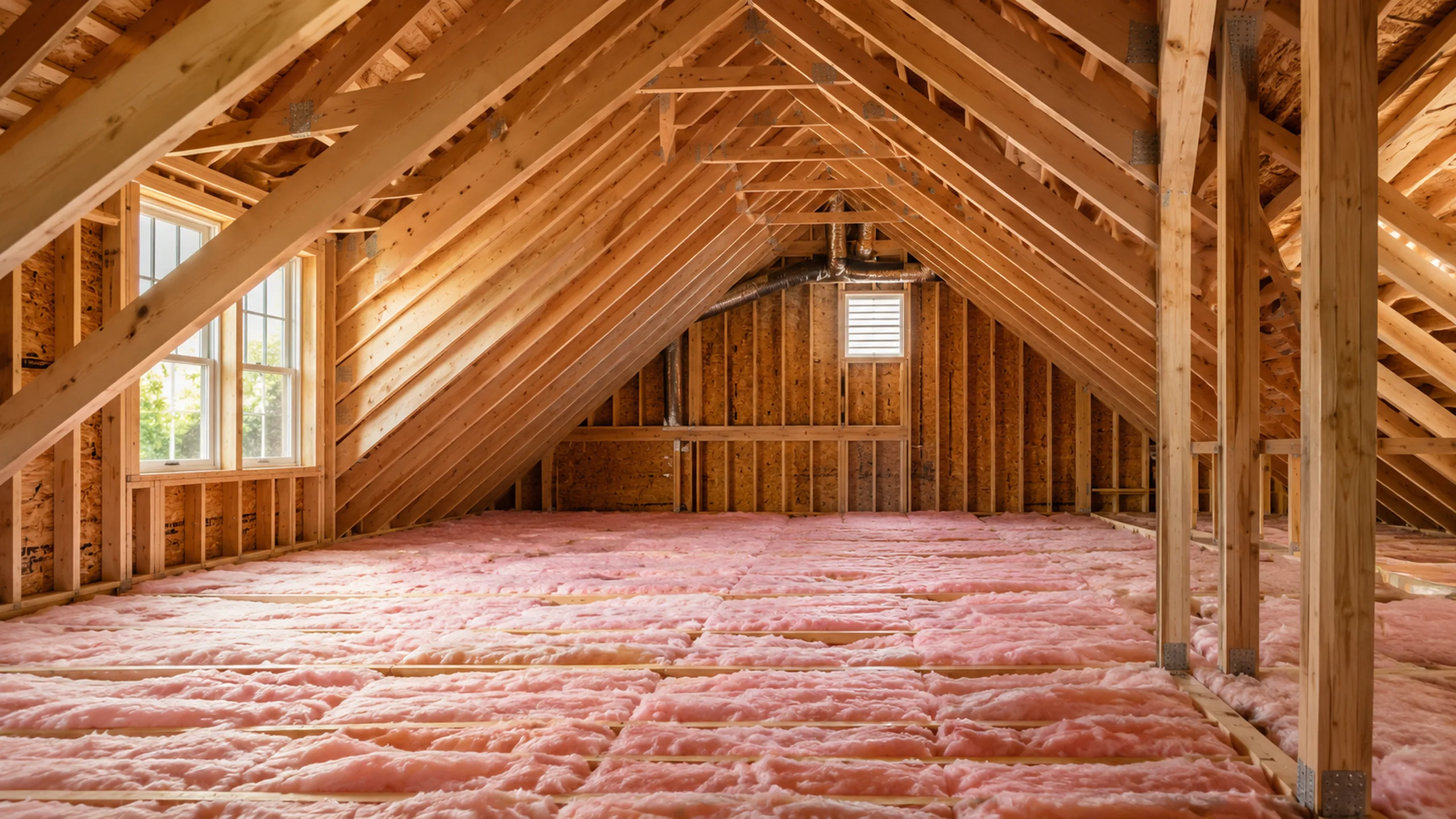
What vermiculite insulation is
Vermiculite is a natural mineral that puffs up when heated, producing a lightweight, pebbly loose-fill insulation poured into attics and sometimes block-wall cavities. It looks like small gold-brown to grayish, accordion-like or popcorn-like pellets. The concern is that a large share of the vermiculite sold for insulation — much of it under the Zonolite brand — came from a Montana mine contaminated with asbestos. For that reason, the EPA recommends treating vermiculite as if it contains asbestos unless testing proves otherwise.
Why it appears in St. Paul attics
Vermiculite was a popular attic insulation through the mid-20th century, so it shows up in St. Paul's many pre-1980 homes — sometimes as the only insulation, sometimes buried beneath newer fiberglass or cellulose. It is one of the period materials, with asbestos floor tile and lead paint, that an inspection flags for caution.
Warning signs
- Loose, pebbly gold-brown or gray pellets in the attic or wall cavities.
- Insulation that pours and shifts like gravel rather than matting like fiberglass.
- A pre-1980 home with original attic insulation.
- Newer insulation that appears to have been added over an older loose-fill layer.
How the inspection catches it
During a home inspection we note attic insulation that appears to be vermiculite based on its distinctive look, and recommend testing before any disturbance. Because attic air can carry into the living space through bypasses, we also consider it alongside attic air-sealing concerns.
What to do about it
Undisturbed vermiculite in a sealed attic that is not being entered or renovated is generally left alone. If it must be removed — or if attic work will disturb it — testing first and using a qualified abatement professional is the safe path. Do not disturb, sweep or vacuum it yourself.
Related service: Home inspection in St. Paul, MN →
Frequently asked questions
Why is vermiculite insulation a concern?
Much of it, sold under the Zonolite brand, came from an asbestos-contaminated mine. The EPA recommends treating vermiculite as asbestos-containing unless tested.
What does vermiculite look like?
Small, lightweight gold-brown to gray accordion- or popcorn-like pellets that pour like gravel, unlike matted fiberglass batts.
Is it dangerous if undisturbed?
Undisturbed vermiculite in a sealed, unentered attic is generally low-risk. The hazard arises when it is disturbed during work or renovation.
Should I remove it myself?
No. It should be tested first and, if removal is needed, handled by a qualified abatement professional. Never sweep, vacuum or disturb it yourself.
Price your inspection in minutes
Get an instant quote and book your St. Paul home inspection online — no phone tag, no waiting.