What a Home Inspection Covers
A home inspection covers the readily accessible major systems of a house: the roof and its coverings; the structure and foundation; the exterior including siding, grading and drainage; the electrical system; the plumbing supply, drains and water heater; the heating and cooling equipment; insulation and ventilation; and the interior. It is a visual, non-invasive evaluation performed to a recognized standard of practice.
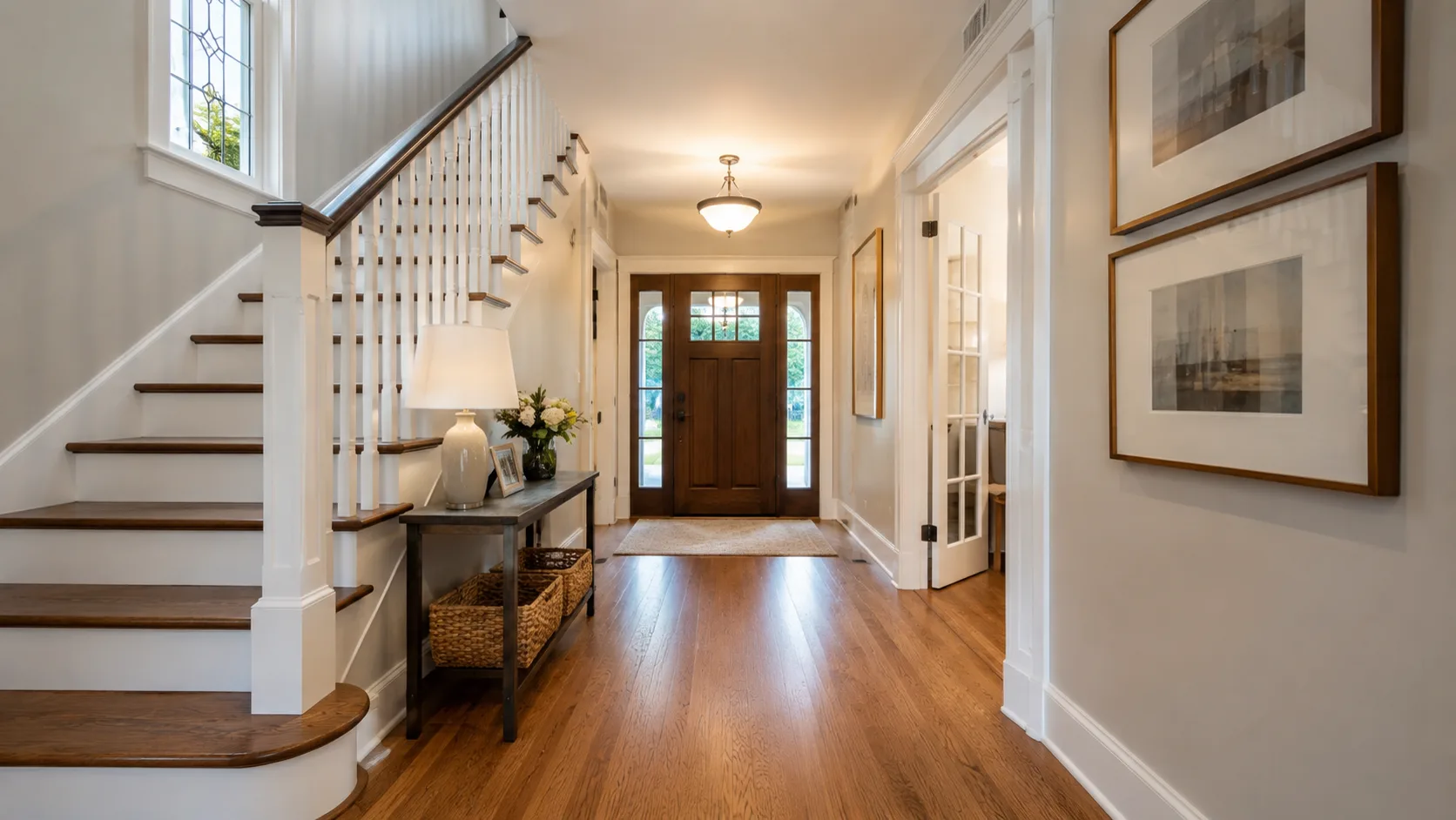
The systems a home inspection evaluates
A general home inspection is a visual, non-invasive evaluation of a home's major systems, performed to the InterNACHI Standards of Practice. It is meant to give a buyer (or owner) a clear, documented picture of the home's condition on the day of the inspection. Here is what a thorough inspection covers:
Roof
The roof covering, flashings, penetrations, gutters and downspouts, and visible evidence of leaks. In St. Paul, the inspector pays particular attention to signs of ice dam damage at the eaves.
Structure and foundation
The foundation, framing, and signs of movement such as cracking, bowing or settlement — important in a region of clay soils and deep frost.
Exterior
Siding, trim, windows, doors, decks and porches, plus grading and drainage, since water management is behind so many home problems.
Electrical
The service entrance, panel, breakers or fuses, and a representative sample of outlets, switches and fixtures — including identifying older knob-and-tube wiring in pre-1950 homes.
Plumbing
Supply lines, drains, the water heater, and visible fixtures, looking for leaks, corrosion and outdated materials like galvanized pipe.
Heating and cooling
The furnace or boiler, central air conditioning, and distribution, evaluated for function and apparent condition and age.
Insulation and ventilation
Attic insulation levels, air sealing and ventilation — central to preventing attic condensation and ice dams in a Minnesota winter.
Interior
Floors, walls, ceilings, stairs, railings and built-in appliances.
What a home inspection does not cover
An inspection is not a code compliance review, an appraisal, or a guarantee against future failure, and it does not include hidden or inaccessible areas. Some systems require specialized add-ons: the buried sewer lateral needs a sewer scope, radon needs a radon test, and a private well needs water testing.
What you receive
A general home inspection concludes with a digital photo report documenting the findings, so you have a clear record to guide your decision and your negotiations.
Frequently asked questions
Does a home inspection cover the sewer line?
No. The buried sewer lateral requires a separate sewer scope. A standard inspection covers visible, accessible systems only.
Is a home inspection a code inspection?
No. It is a visual condition assessment to a standard of practice, not a municipal code-compliance review or an appraisal.
Can the inspector check inside the walls?
No. Inspections are non-invasive and limited to readily accessible areas. Thermal imaging can hint at hidden conditions but does not open walls.
Do I need any add-on services?
Often yes — radon testing, a sewer scope and mold inspection are common add-ons, especially for older St. Paul homes.
Price your inspection in minutes
Get an instant quote and book your St. Paul home inspection online — no phone tag, no waiting.