Buying an Older St. Paul Home
Buying an older St. Paul home means inheriting both period character and aging systems. Before purchasing, buyers should evaluate the electrical wiring (often knob-and-tube), the plumbing (often galvanized), the sewer lateral (often clay or Orangeburg), the foundation (stone or block), and the attic insulation and ventilation, since these drive the most common and costly issues in pre-1950 homes.
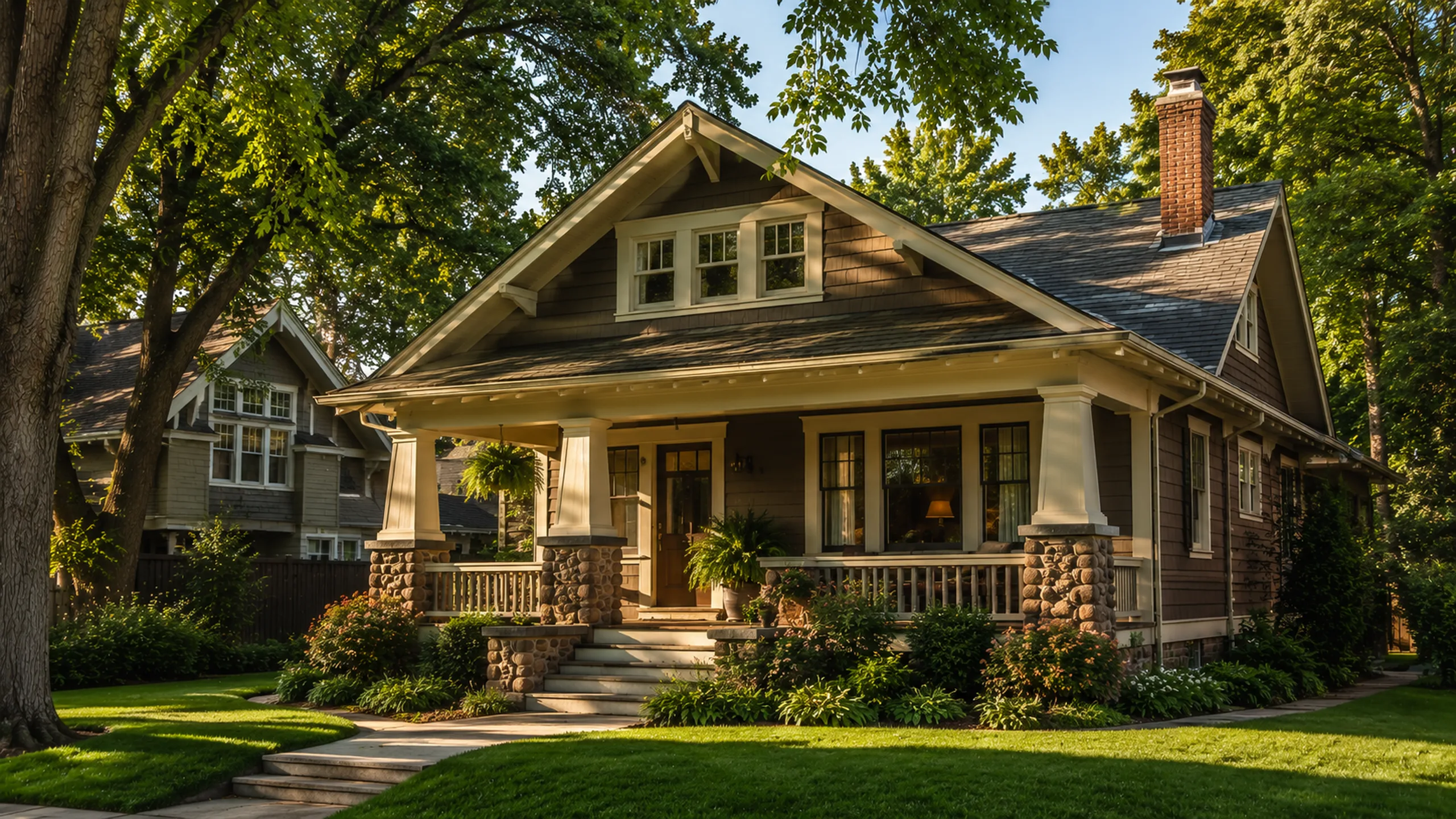
The trade-off of an older home
St. Paul's older neighborhoods — Summit Hill, Mac-Groveland, Highland Park, the East Side — offer craftsmanship, mature streets and character that new construction cannot match. The trade-off is a set of aging systems that come with the house. None of these is a reason to walk away; they are reasons to inspect carefully and budget realistically. Here is what to focus on.
The electrical system
Homes built before about 1950 often retain original knob-and-tube or cloth-insulated wiring, at least in part. Beyond the safety considerations, active knob-and-tube can affect your ability to get homeowners insurance. Have the electrical evaluated and understand what updating would involve.
The plumbing
Original galvanized steel supply lines corrode from the inside, restricting flow and eventually leaking. Cast-iron drains have a long but finite life. Knowing what is in the walls helps you anticipate updates.
The sewer lateral
This is the one most buyers overlook — and it is one of the most expensive repairs. Older St. Paul laterals are frequently clay tile, cast iron or Orangeburg, and the city's mature boulevard trees love to send roots into them. A sewer scope before closing is strongly recommended.
The foundation
Many older homes have stone or block foundations that, combined with clay soils and freeze-thaw, develop cracks, bowing and seepage. Distinguishing cosmetic cracks from structural movement is exactly what an inspection is for.
Insulation, ventilation and the attic
Older homes often have minimal attic insulation, air bypasses and weak ventilation — the recipe for ice dams and attic condensation in a Minnesota winter. These are very fixable, and worth understanding before you buy.
Other period considerations
- Lead paint and asbestos: homes from the relevant eras may contain both; handle disturbances accordingly.
- Radon: Minnesota is a high-radon state, and older basements often test high. Add radon testing.
- Windows, decks and exterior wood: the freeze-thaw climate is hard on original windows, porches and trim.
The bottom line
An older St. Paul home can be a wonderful purchase — with eyes open. A thorough home inspection, ideally paired with a sewer scope and radon test, turns the unknowns of an aging home into a documented list you can plan and negotiate around.
Frequently asked questions
What should I inspect first in an older St. Paul home?
The electrical wiring, plumbing, sewer lateral, foundation and attic insulation — these drive the most common and costly issues in pre-1950 homes.
Do I really need a sewer scope on an older home?
Yes. Older laterals of clay, cast iron or Orangeburg, plus mature trees, make sewer problems common and expensive. Scope before closing.
Are older homes a bad idea to buy?
Not at all. They offer character and quality new homes lack. The key is to inspect carefully and budget for aging systems with eyes open.
Should I test for radon in an older home?
Yes. Minnesota is a high-radon state and older basements often test high, so radon testing is a sensible add-on to the inspection.
Price your inspection in minutes
Get an instant quote and book your St. Paul home inspection online — no phone tag, no waiting.