Water Intrusion at Windows in St. Paul homes
Water intrusion at windows is moisture entering the home around window openings due to failed flashing, caulking, glazing or weather seals. It causes staining, rot, peeling paint and mold at sills, jambs and the wall below, and is a frequent and underestimated source of hidden damage, especially in freeze-thaw climates.
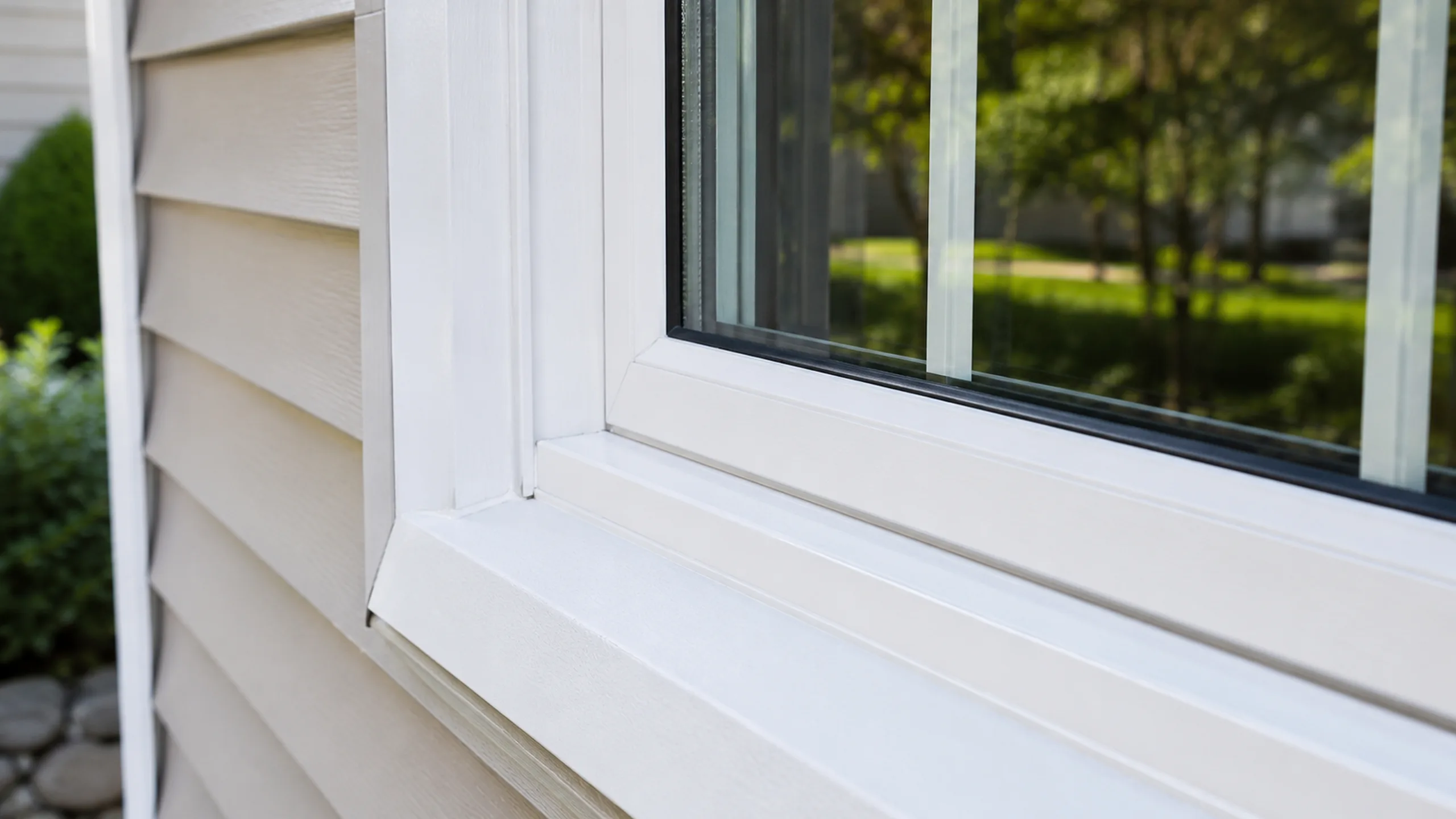
What window water intrusion is
Windows are holes deliberately cut in the building envelope, and keeping water out of them depends on layered defenses: exterior flashing, caulking, the window's own weather seals and glazing, and proper drainage. When any of these fail, water finds its way in around the opening, soaking the sill, the jambs and the wall cavity below — often invisibly until staining, rot or mold appears.
Why it is common in St. Paul
St. Paul's older homes have decades-old original windows, hardened caulk and original or improvised flashing. The freeze-thaw cycle works caulk and seals loose, ice dams push meltwater into wall tops and window heads, and condensation on cold single-pane glass adds interior moisture. Newer homes are not immune — missed flashing details during fast construction are a frequent finding too.
Warning signs
- Staining, peeling paint or soft wood at window sills and jambs.
- Condensation between the panes of a double-pane window (a failed seal).
- Damp drywall or staining on the wall directly below a window.
- Cracked, missing or hardened exterior caulk around the frame.
- Musty odors or visible mold near windows.
How the inspection catches it
During a home inspection we examine windows inside and out for staining, rot and failed caulk and flashing, and check for failed insulated-glass seals. Thermal imaging is especially powerful here, revealing the cool, damp signatures of hidden moisture in walls below windows that the eye cannot see.
What to do about it
The fix is to restore the water defenses — reflashing, recaulking, repairing or replacing failed windows — and to repair the resulting rot and address any mold. Catching it early keeps a caulk-and-flashing repair from becoming a wall-rebuild.
Related service: Thermal imaging in St. Paul, MN →
Frequently asked questions
How does water get in around windows?
Through failed flashing, caulking, weather seals or glazing. When those layered defenses fail, water soaks the sill, jambs and the wall below.
What does fogging between window panes mean?
It indicates a failed insulated-glass seal. The window still works but has lost its insulating value and the seal cannot be repaired, only the unit replaced.
How does thermal imaging help?
It reveals the cool, damp signatures of hidden moisture in walls below windows, flagging intrusion that is invisible to the naked eye.
How is window water intrusion fixed?
By restoring the water defenses — reflashing, recaulking, repairing or replacing the window — and repairing any resulting rot or mold.
Price your inspection in minutes
Get an instant quote and book your St. Paul home inspection online — no phone tag, no waiting.