Mold on Basement Walls in St. Paul homes
Mold on basement walls is fungal growth that develops on foundation walls, framing and stored items in basements where moisture is present. It appears as fuzzy or discolored patches, often with a musty odor, and is a symptom of a moisture problem — seepage, condensation, or a leak — rather than the root cause itself.
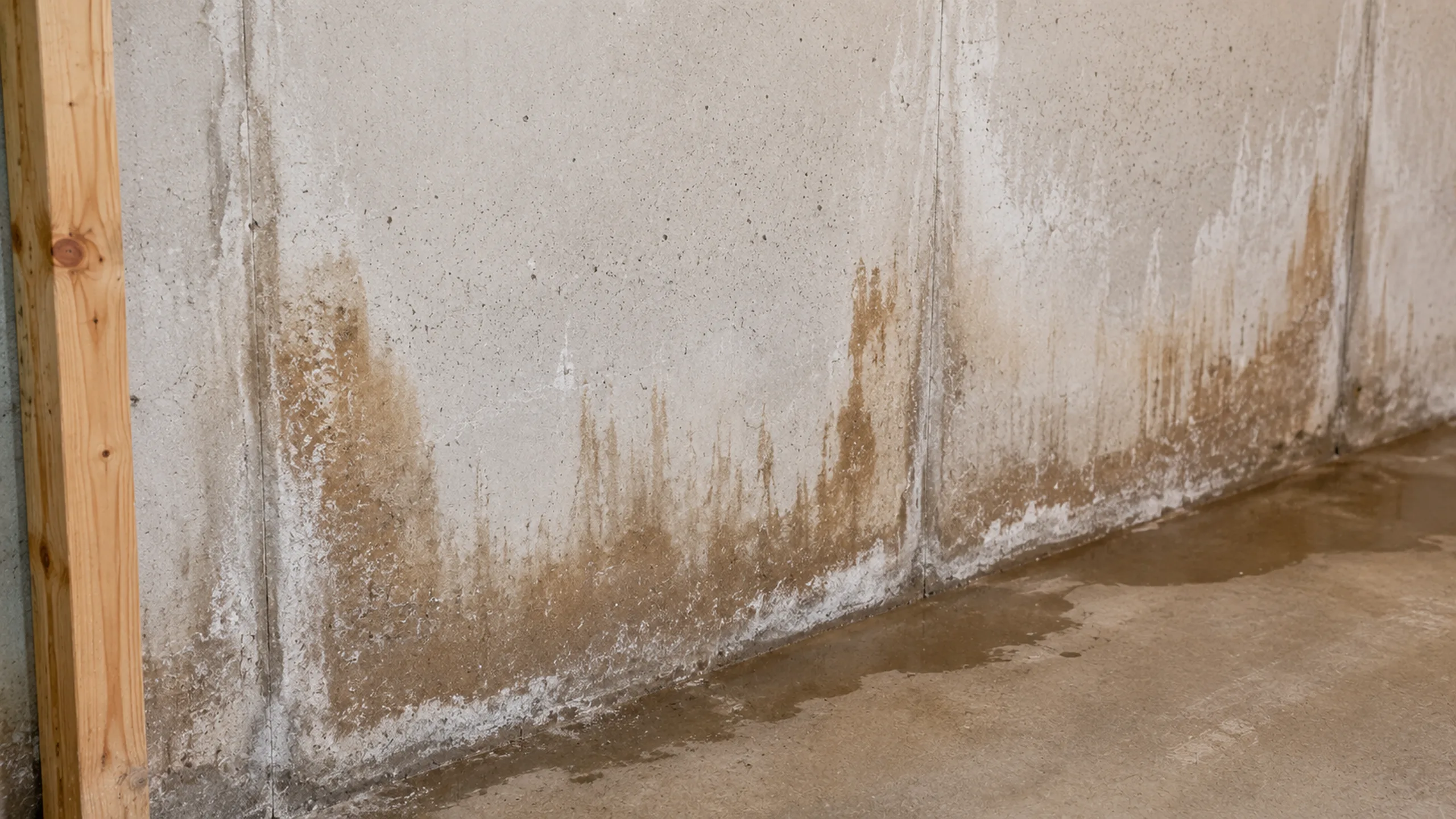
What basement wall mold is
Mold needs only moisture and an organic food source to grow, and a damp basement supplies both. It shows up as fuzzy, discolored or staining patches on foundation walls, the sill plate, framing, drywall and stored belongings, usually accompanied by a musty odor. Crucially, mold is a symptom: it grows because water is getting into the basement, and it will return unless the moisture source is fixed.
Why it is common in St. Paul basements
St. Paul's older basements — many with porous block or stone foundations — are prone to seepage during spring melt and heavy rain. Add the high humidity of a Minnesota summer, cold walls that drive condensation, and the floor drains and sump pits common in the area, and the conditions for basement mold are present in a great many homes. Efflorescence often accompanies it, marking where water moves through the masonry.
Warning signs
- Fuzzy or discolored growth on walls, the sill plate or framing.
- A persistent musty or earthy odor in the basement.
- Water staining, efflorescence or dampness on foundation walls.
- Damaged or stained stored items and cardboard.
- High humidity and condensation on cold surfaces.
How the inspection catches it
During a home inspection or a focused mold inspection we document visible growth, staining and moisture, take moisture readings where appropriate, and — most importantly — identify the likely water source: grading, gutters, seepage, condensation, or a plumbing or sewer issue.
What to do about it
The lasting fix addresses the water first: correct grading and downspouts, manage humidity, repair leaks, and improve drainage. Cleaning or remediating the mold without stopping the moisture just resets the clock. Significant or recurring growth warrants professional remediation after the source is controlled.
Related service: Mold inspection in St. Paul, MN →
Frequently asked questions
Why does mold grow on basement walls?
Because moisture is present — from seepage, condensation, humidity or a leak. Mold is a symptom of a water problem, not the root cause.
Why are St. Paul basements prone to mold?
Older porous block and stone foundations, spring seepage, humid summers, cold condensing walls, and common floor drains and sump pits all contribute.
Will cleaning the mold fix it?
Only temporarily. Without correcting the moisture source — grading, drainage, humidity or a leak — the mold will return.
How is basement mold properly addressed?
Fix the water source first — grading, gutters, drainage, humidity, leaks — then clean or professionally remediate significant or recurring growth.
Price your inspection in minutes
Get an instant quote and book your St. Paul home inspection online — no phone tag, no waiting.