Radon in St. Paul Homes
Radon is a colorless, odorless radioactive gas that seeps into homes from the soil. Minnesota is a Zone 1 high-radon state, and the Minnesota Department of Health estimates more than two in five Minnesota homes have levels above the EPA action level of 4.0 pCi/L. Testing is the only way to know a home's level, and mitigation effectively reduces it.
Why radon is a St. Paul issue
Radon forms naturally as uranium in soil and rock breaks down, then rises and enters homes through foundation cracks, sump pits, floor drains and utility penetrations. Minnesota's geology makes it a Zone 1 high-radon state, and the Minnesota Department of Health estimates more than two in five Minnesota homes test above the EPA action level of 4.0 pCi/L. Ramsey County is squarely within that pattern.
Why older St. Paul homes can test high
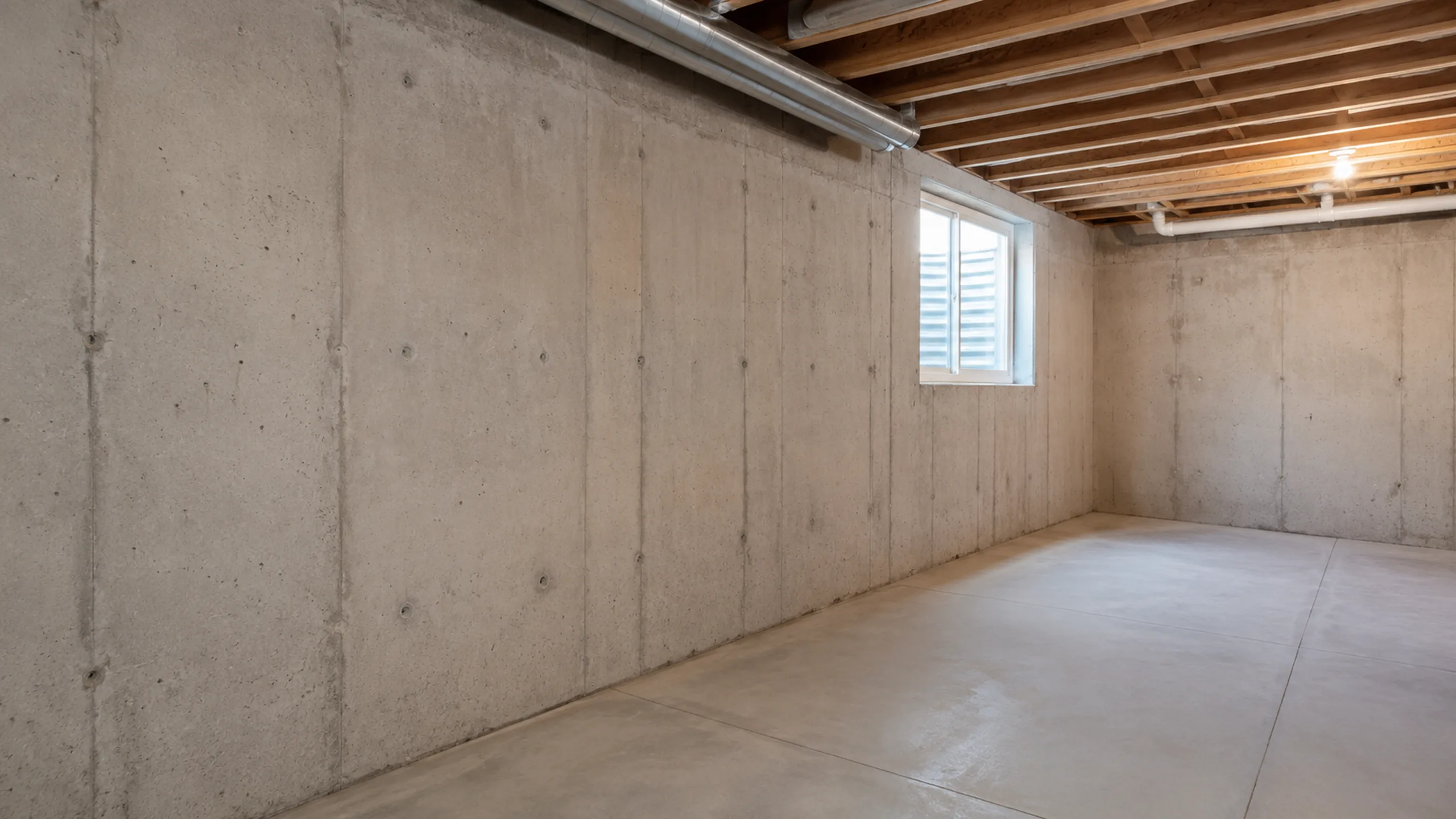
Many St. Paul basements have block or stone foundations, floor drains and sump pits — all entry paths for soil gas. The deep frost line also drives seasonal soil-gas movement. None of this means a home is unsafe to own; it means testing is worthwhile, because the level cannot be guessed from the home's age or appearance.
How testing works
A radon test places a continuous monitor on the lowest livable level for at least 48 hours under closed-house conditions, producing an averaged result and an hourly graph. It overlaps with the rest of a home inspection timeline, so it adds information without adding delay.
What the numbers mean
- Below 4.0 pCi/L: below the EPA action level, though the MDH notes no level is fully safe.
- 4.0 pCi/L or above: at or above the action level; mitigation is recommended.
If radon is high
Radon mitigation — typically a sub-slab depressurization system that vents soil gas above the roofline — is a well-understood, effective and reasonably affordable fix. Testing during a real-estate transaction gives buyers a measured number to make decisions on, and the chance to negotiate mitigation rather than discover the problem later.
Frequently asked questions
Is radon really common in St. Paul?
Yes. Minnesota is a Zone 1 high-radon state and the MDH estimates more than two in five homes statewide test above the EPA action level.
How is a home tested for radon?
A continuous monitor runs at least 48 hours on the lowest livable level under closed-house conditions, producing an averaged result and an hourly graph.
What level requires action?
At or above 4.0 pCi/L the EPA recommends mitigation, though the MDH notes there is no fully safe level of radon.
Can high radon be fixed?
Yes. A sub-slab depressurization system effectively vents soil gas above the roofline and is a well-understood, affordable fix.
Price your inspection in minutes
Get an instant quote and book your St. Paul home inspection online — no phone tag, no waiting.