Well and Septic Basics for Buyers
Homes on private wells and septic systems require evaluation beyond a standard inspection. Well water should be lab-tested for coliform bacteria, E. coli and nitrates, since dangerous contaminants are invisible and tasteless. Septic systems — the tank and drainfield — should be evaluated for condition and function, as repairs and replacements are costly.
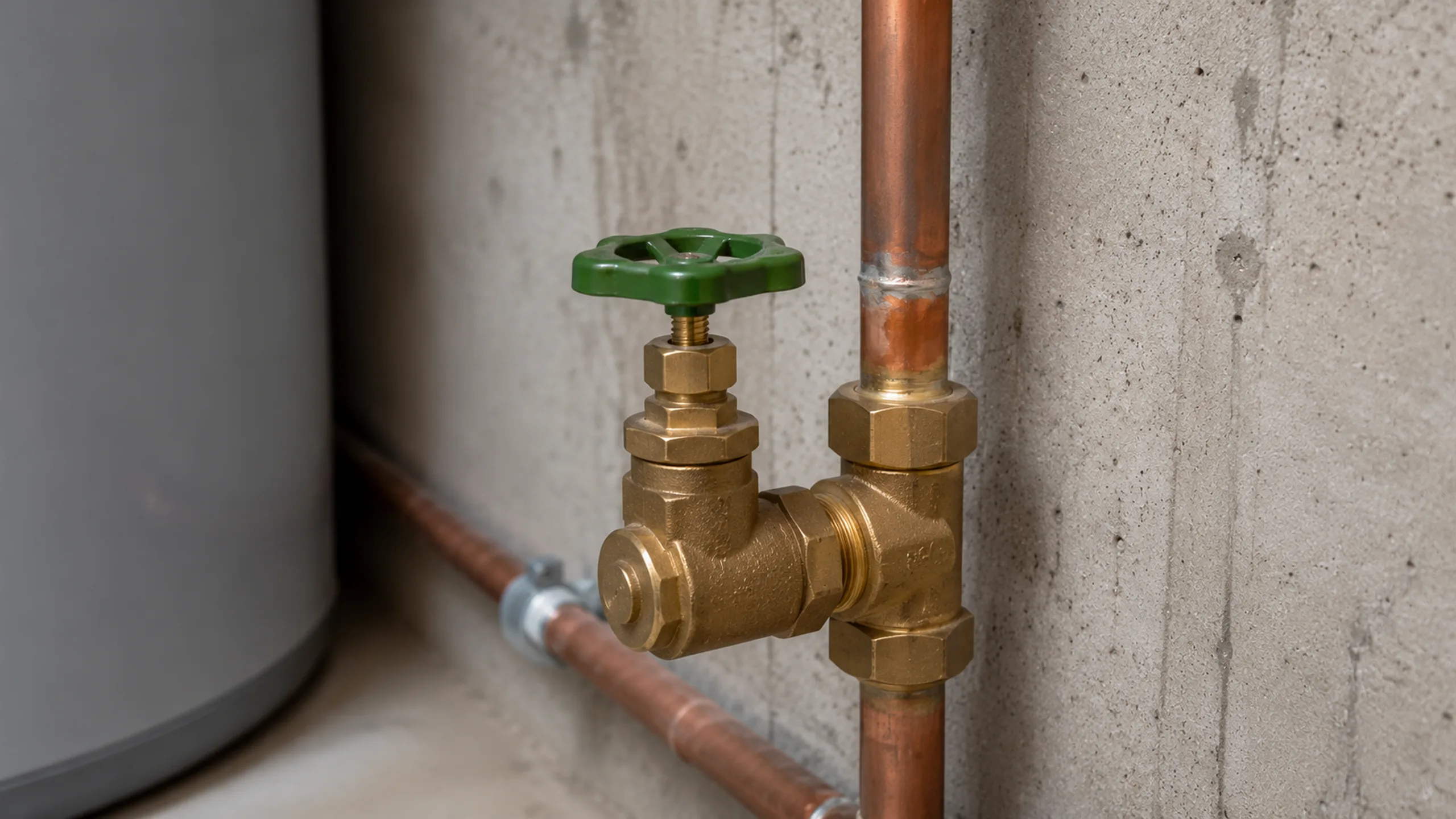
Buying beyond city services
Most homes inside St. Paul are on municipal water and sewer, but properties on the metro's rural edges — in places like Lake Elmo and other outlying communities — often rely on a private well and a septic system. Both are systems the owner is fully responsible for, and both warrant evaluation beyond a standard inspection before you buy.
The well: test the water
Unlike city water, a private well is not monitored or treated by a utility. Dangerous contaminants — coliform bacteria, E. coli and nitrates — have no taste, smell or color, so laboratory testing is the only way to know the water is safe. Well and water testing covers these key parameters, and the visible wellhead, pressure tank and any treatment equipment are evaluated as part of the inspection.
The septic system: evaluate the system
- The tank: condition, sludge levels and signs of past problems.
- The drainfield: function and signs of failure such as surfacing effluent or saturated soil.
- Records: pumping and maintenance history, and any compliance inspection required at sale.
Septic repairs and especially drainfield replacement are expensive, so understanding the system's condition before closing matters.
Why it all matters
A home on well and septic can be a wonderful rural property — but the well water and the septic system are two systems a city buyer never thinks about. Testing the water and evaluating the septic, alongside a full home inspection, turns those unknowns into documented facts you can plan and negotiate around.
Frequently asked questions
Why test private well water?
Because a private well is not monitored by a utility, and contaminants like coliform bacteria, E. coli and nitrates are invisible and tasteless. Lab testing is the only way to confirm safety.
What is checked on a septic system?
The tank's condition, the drainfield's function, and the maintenance and pumping records, plus any compliance inspection required at sale.
Are well and septic evaluations part of a home inspection?
The visible components are noted in a home inspection, but water testing and a full septic evaluation are specialized add-ons worth arranging.
Why does septic condition matter so much?
Because septic repairs, and especially drainfield replacement, are expensive. Knowing the condition before closing lets you plan and negotiate.
Price your inspection in minutes
Get an instant quote and book your St. Paul home inspection online — no phone tag, no waiting.