Cracked Heat Exchanger in St. Paul homes
A cracked heat exchanger is a failure of the metal component inside a furnace that separates combustion gases from the heated air circulated through the home. A crack can allow combustion byproducts, including carbon monoxide, to mix with the household air, making it a serious safety concern that typically requires furnace repair or replacement.
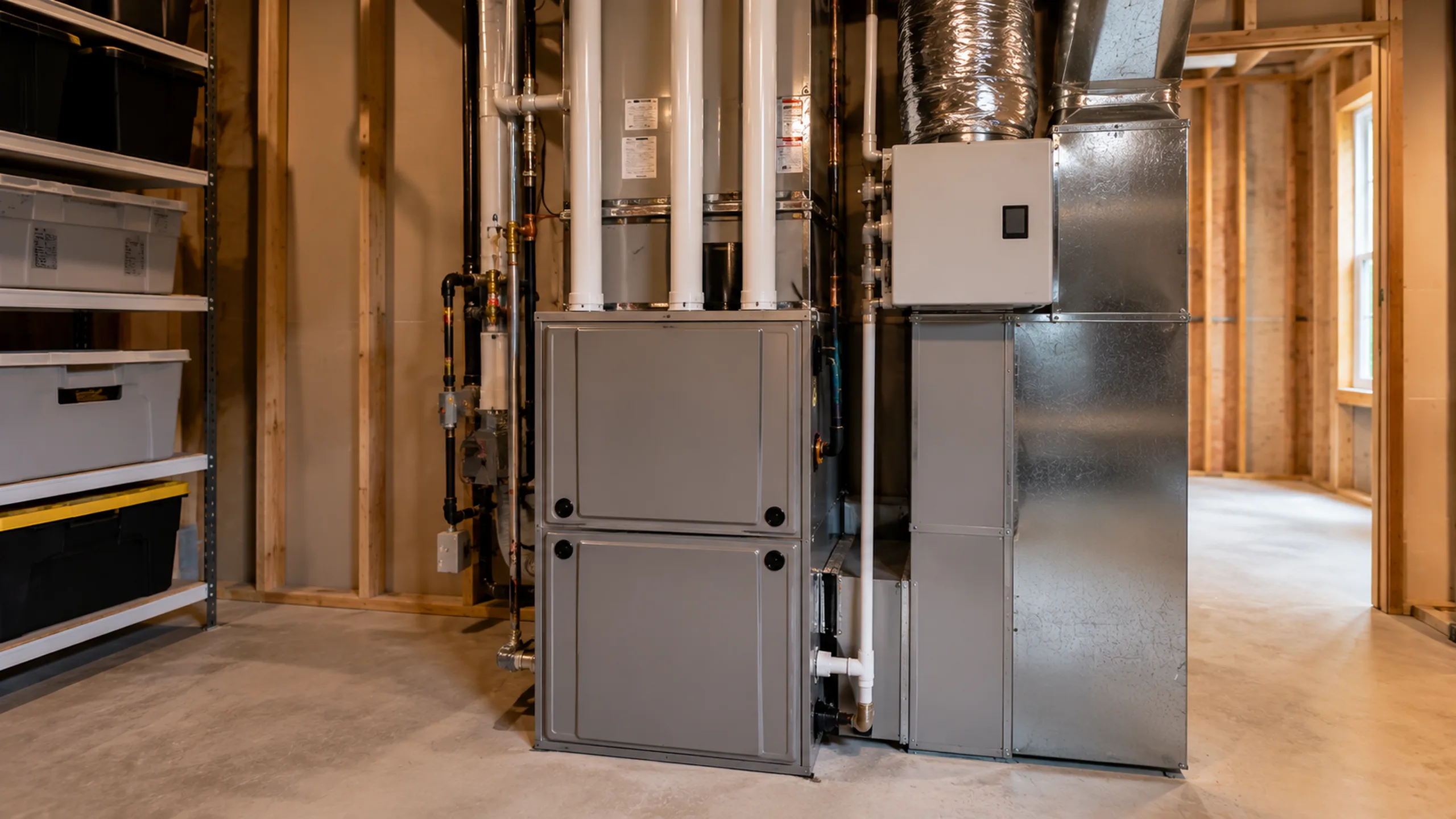
What a heat exchanger does — and why a crack matters
Inside a gas furnace, the heat exchanger is the metal barrier that keeps two airstreams apart: the hot combustion gases on one side, and the household air being warmed and circulated on the other. When the metal cracks — usually from years of heating and cooling cycles fatiguing the metal — that barrier is breached, and combustion byproducts including carbon monoxide can leak into the air blown through the home. That makes a cracked heat exchanger one of the more serious safety findings in a home inspection.
Why it matters in St. Paul
St. Paul's long, demanding heating season means furnaces here work hard for many months a year, and the area's stock of older homes often includes aging furnaces well past their typical service life. The more heating cycles a heat exchanger has been through, the more likely fatigue cracking becomes — so it is a finding to watch for in any older or high-mileage furnace.
Warning signs
- A furnace at or beyond its typical 15–20 year service life.
- Soot, corrosion or cracking visible at accessible parts of the exchanger.
- A flame that flickers or changes when the blower starts.
- Unusual odors or repeated carbon monoxide alarms.
- Excessive rust or moisture around the furnace.
How the inspection catches it
During a home inspection we operate the furnace, observe the burners and flame, and examine the accessible portions of the exchanger and venting, noting age and any signs of distress. Much of the exchanger is not visible, so where age or symptoms raise concern we recommend evaluation by a licensed HVAC technician, who can perform a full combustion and exchanger inspection.
What to do about it
A confirmed cracked heat exchanger is generally not repaired — the furnace is repaired by replacing the exchanger if practical, but more often the unit is replaced, especially when it is already aged. Until evaluated, a furnace suspected of a cracked exchanger should be treated as a safety concern, and working carbon monoxide alarms are essential.
Related service: Home inspection in St. Paul, MN →
Frequently asked questions
Why is a cracked heat exchanger dangerous?
It can let combustion byproducts, including carbon monoxide, mix with the air circulated through the home, which is a serious health and safety hazard.
Can an inspection fully evaluate the heat exchanger?
No. Much of it is not visible. An inspection checks the accessible portions and operation, then recommends an HVAC technician's full evaluation where concern exists.
What causes the crack?
Years of heating and cooling cycles fatigue the metal, so older, high-mileage furnaces — common in St. Paul's long heating season — are most at risk.
Is a cracked heat exchanger repairable?
Sometimes the exchanger can be replaced, but more often the furnace itself is replaced, especially when it is already near the end of its service life.
Price your inspection in minutes
Get an instant quote and book your St. Paul home inspection online — no phone tag, no waiting.